









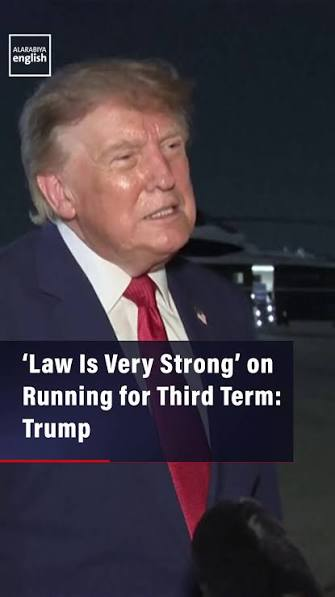
President Donald Trump has publicly acknowledged that seeking a third term in the White House would likely be unlawful under current federal law, marking a notable shift after months of floating the concept. Despite frequently teasing a potential 2028 run at rallies and in media appearances, the former president conceded that the US Constitution presents an insurmountable legal barrier.
The Legal and Constitutional Landscape
- The 22nd Amendment: Enacted in 1951, the 22nd Amendment explicitly mandates that “No person shall be elected to the office of the President more than twice.” Having served two non-consecutive terms, Trump falls directly under this presidential term restriction.
- Repeated Speculation: Throughout his public appearances, Trump frequently mused about loopholes, hypothetical scenarios, or constitutional amendments to extend his tenure, fueling intense debate among legal scholars and political commentators.
- The Acknowledgment: In recent comments, Trump conceded that attempting to bypass the constitutional two-term threshold would face clear legal prohibitions, signaling an acceptance of the constitutional framework surrounding presidential tenure.
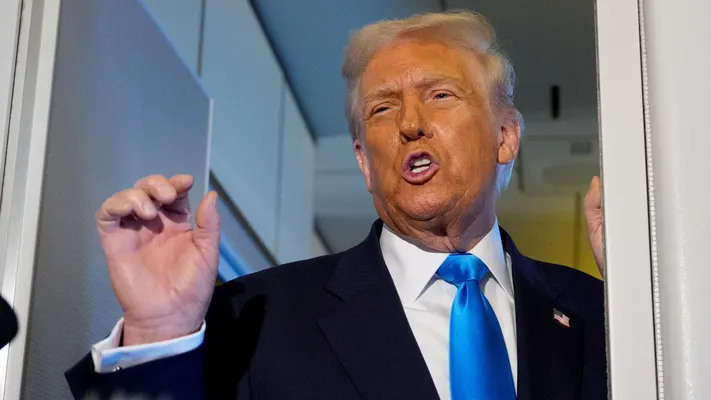
While rhetoric around an unprecedented third term generated significant public discussion, the explicit language of the 22nd Amendment remains a firm cornerstone of American governance. Trump’s recognition of these statutory limits reaffirms the constitutional safeguards designed to ensure regular democratic transitions of executive power.