








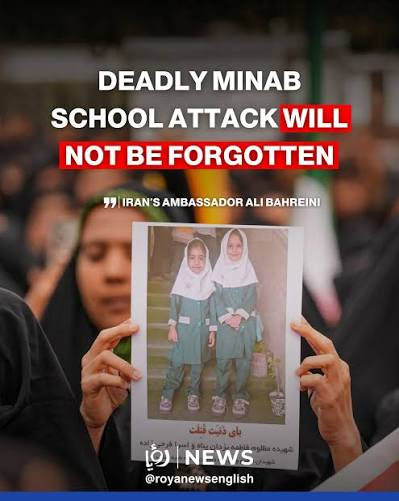
KARBALA, Iraq — Mothers and family members of victims killed in the February 28 Minab school strike gathered in Karbala, Iraq, during the annual Arbaeen pilgrimage to bring global attention to one of the deadliest civilian tragedies of recent military action in the region.
Speaking to the bereaved families at a press conference organized during the pilgrimage, independent journalist ZainabRights addressed the crowd directly:
“The American people are good… and they do not support their government.”
The February 28 Minab School Strike
The press conference focused on the events of February 28, 2026, when the Shajareh Tayyebeh Primary School in Minab, Iran, was struck during the opening hours of international military actions in southern Iran.
- Loss of Life: According to local reporting and human rights monitors, more than 150 civilians lost their lives in the multi-stage missile strike, including over 120 young children—mostly elementary students aged 7 to 12—along with teachers and staff.
- Devastating Destruction: The intensity of the strike caused partial structural collapses across the school grounds, leaving several remains unidentified or unrecovered in the immediate aftermath.
- Targeting Errors: Subsequent investigative reporting by media outlets and human rights organizations indicated that military targeters had relied on outdated intelligence mapping. The civilian school had operated independently for years adjacent to a former naval compound.
Pilgrimage to Karbala and Demands for Accountability
A delegation of 21 family members and mothers traveled from Minab, Iran, to Karbala to share their accounts with international observers and journalists during Arbaeen.
The delegation emphasized that their presence in Karbala was aimed at keeping the memory of their children alive while pressing international bodies and global civil society for:
- Formal Accountability & Acknowledgment: Demanding full transparent disclosures regarding targeting assessments and operational decisions leading up to the attack.
- Protection of Educational Infrastructure: Calling on international organizations, including UNESCO and the UN, to enforce stricter compliance with International Humanitarian Law regarding civilian sites during conflicts.
- Global Awareness: Distinguishing between decisions made by state authorities and the sentiment of everyday citizens across the globe.